
The Strange Morning Habit Raising Blood Sugar After 40 - 2026 Natural Remedies That May Help Stabilize Glucose Fast
The Morning Habit That's Quietly Spiking Your Blood Sugar (And What to Do Instead)
If you're managing diabetes or prediabetes, you've probably already cut back on sugar, cleaned up your meals, and tried to do everything right. So why does your blood sugar still creep up in the morning — before you've even eaten anything?
You're not imagining it. And it's probably not your fault.
There's a real biological reason this happens, and there's one very common morning habit that makes it significantly worse. The good news? Once you know what you're dealing with, there are some practical, natural ways to work with your body instead of against it.
First, Let's Talk About the Dawn Phenomenon
Between roughly 4 a.m. and 8 a.m., your body starts gearing up for the day. It releases a wave of hormones — cortisol, growth hormone, adrenaline, and glucagon — that signal your liver to push stored glucose into your bloodstream.
Think of it as your body's built-in alarm clock. It's completely normal.
But here's where things get tricky: for people with diabetes or prediabetes, insulin sensitivity is already reduced. So when that morning glucose hits the bloodstream, the body has a harder time clearing it efficiently. The result? Higher fasting numbers, even on days when you ate well the night before.
This is frustrating. But it's also manageable — especially once you identify the habit that's making it worse.
The Morning Habit That Could Be Working Against You
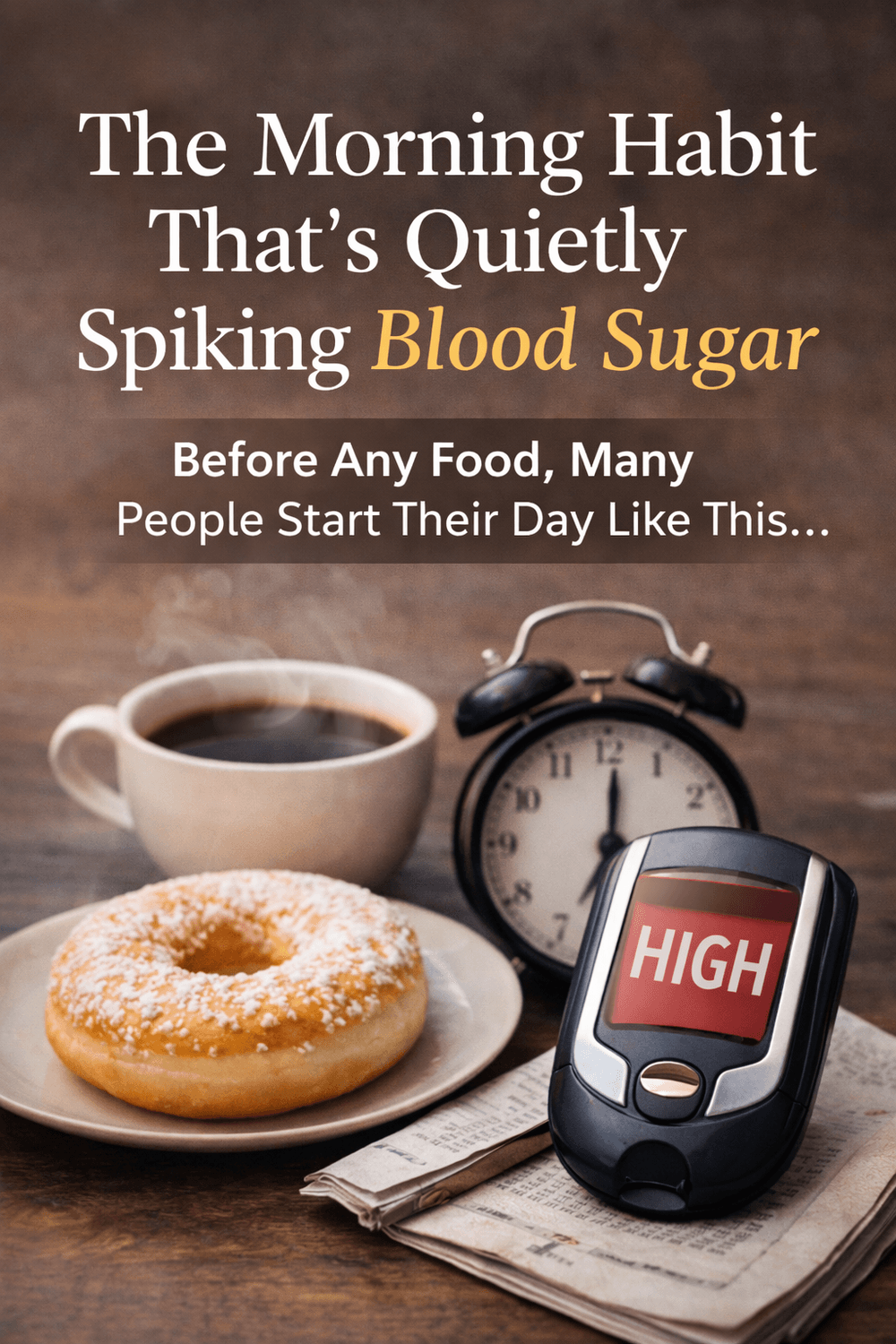
Here it is: reaching for coffee or a sweet breakfast before eating any real food.
It sounds harmless. Most of us have done it for years. But if you're dealing with blood sugar issues, starting your morning with caffeine on an empty stomach can quietly make the Dawn Phenomenon worse.
Here's why: cortisol already peaks in the early morning. Caffeine stimulates more cortisol. Stack those two together before your body has had any protein or fiber to slow things down, and you've got a recipe for an unnecessary glucose spike.
Add a pastry, sugary cereal, or a flavored coffee drink to the mix, and the spike gets even steeper — followed by a crash that leaves you foggy, hungry, and craving more sugar by mid-morning.
Over time, this cycle is exhausting. And for people managing blood sugar, it adds up.
How it effects your life with one simple way
What to Do Instead: Natural Approaches Worth Trying in 2026
None of these are complicated or expensive. They're the kind of small, consistent shifts that tend to actually stick.

1. Drink Water First Thing
Your body wakes up mildly dehydrated after hours of sleep. Before anything else — before coffee, before checking your phone — drink a full glass of water.
It supports circulation, digestion, and cellular function. It also gives your metabolism a gentler way to start the day before you introduce caffeine.
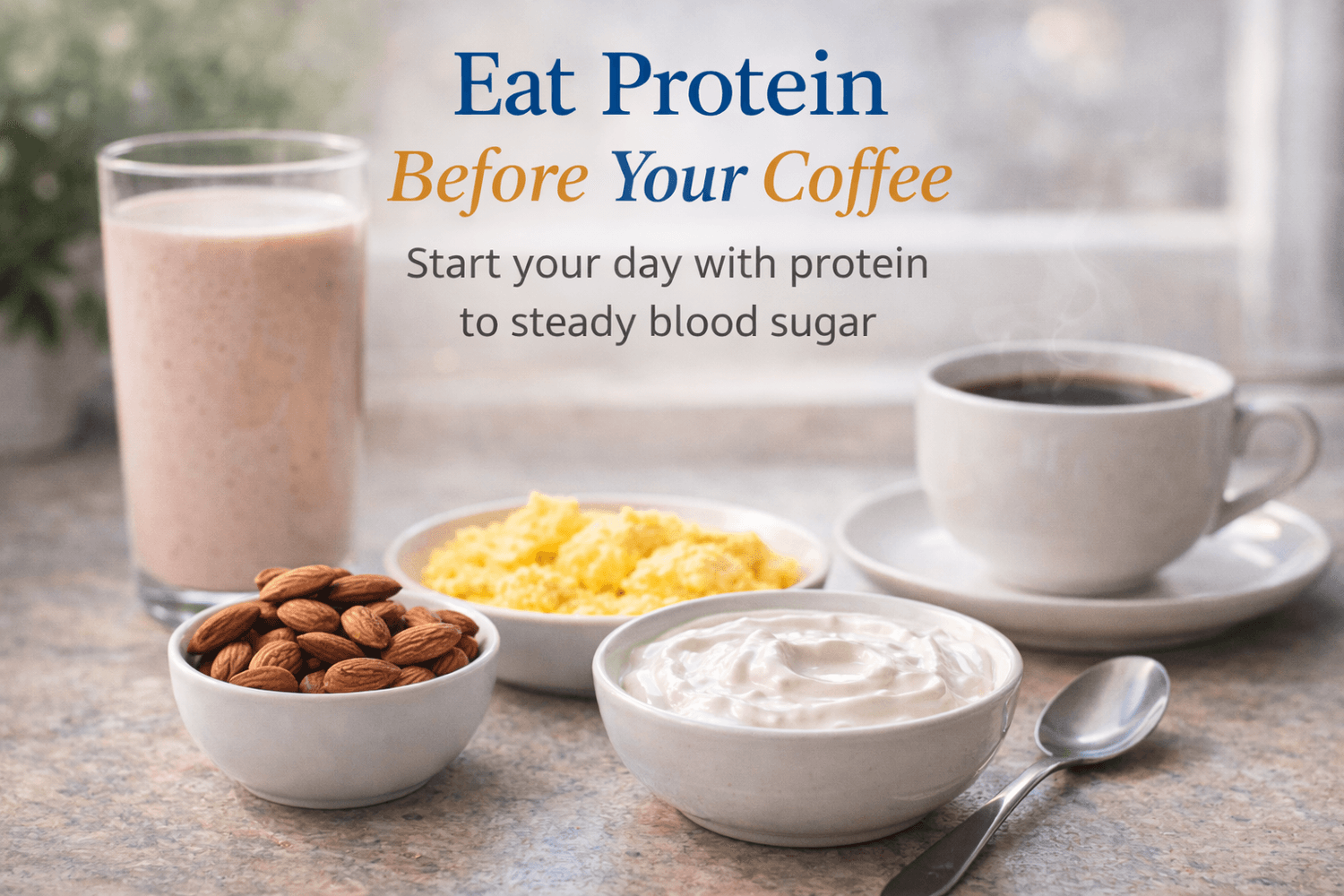
2. Eat Protein Before (or With) Your Coffee
This one is a game-changer for a lot of people with blood sugar concerns.
Eating protein before caffeine helps buffer cortisol's effect on glucose. It slows digestion and reduces the sharpness of any blood sugar rise. Think eggs, Greek yogurt, a handful of nuts, or even a protein smoothie.
You don't have to give up coffee — just stop letting it be the first thing you put in your body.

3. Take a 10-Minute Walk After Breakfast
You don't need a gym. You don't need 45 minutes. Even a short walk after eating can meaningfully help your muscles pull glucose out of the bloodstream and use it for energy.
This is one of the most well-supported lifestyle strategies for people with Type 2 diabetes and prediabetes — and it takes almost no extra time.

4. Take Sleep Seriously
Poor sleep and blood sugar are deeply connected. When you're sleep-deprived, stress hormones rise, insulin sensitivity drops, and glucose regulation becomes noticeably harder.
If your numbers have been difficult to manage, it's worth asking honestly: how's your sleep? A consistent bedtime, less screen time before bed, and a cool, dark room can make a real difference over time.

5. Look Into Natural Compounds That Support Glucose Metabolism
A growing number of people with diabetes and prediabetes are exploring natural ingredients that may support how the body processes glucose. Research has looked at several plant-based compounds, including:
Berberine — studied for its potential to support healthy insulin sensitivity
Cinnamon extract — linked to modest improvements in fasting glucose in some studies
Bitter melon — used in traditional medicine and increasingly studied for metabolic support
Alpha-lipoic acid — an antioxidant that may support insulin function
Chromium — a trace mineral involved in insulin signaling
Results vary, and these aren't replacements for medication or medical advice. But combined with the lifestyle habits above, some people find they support more stable energy and glucose patterns throughout the day.
Why Blood Sugar Gets Harder to Manage After 40
If it feels like your metabolism shifted at some point in your 40s, you're right — it did.
Muscle mass decreases (and muscle is one of the body's primary sites for glucose uptake). Hormones shift. The metabolism slows. Chronic stress accumulates. All of these changes make blood sugar regulation more sensitive to daily habits.
That's not discouraging — it's actually useful information. It means the small things matter more. The morning routine matters. The sleep matters. The walk after dinner matters.

A Simple Morning Routine Worth Trying
You don't need to overhaul your entire life. Start here:
Wake up and drink a glass of water
Eat a protein-based breakfast before (or alongside) your coffee
Take a short walk within an hour of eating
Manage your stress — even five minutes of deep breathing makes a measurable difference
Get to bed at a consistent time
These aren't magic. But they work together. And for people managing diabetes or prediabetes, consistently doing the basics well is often more effective than chasing complicated solutions.
Frequently Asked Questions
Why is my blood sugar high in the morning even when I didn't eat anything bad?
This is likely the Dawn Phenomenon — a normal hormonal process that releases stored glucose before you wake up. It's more noticeable when insulin sensitivity is reduced, which is common with diabetes and prediabetes.
Does coffee raise blood sugar?
For some people, yes — particularly when consumed on an empty stomach. Caffeine can stimulate cortisol, which signals the liver to release more glucose. Eating before or with your coffee may help reduce this effect.
What's the best breakfast to keep blood sugar stable?
Something that combines protein, fiber, and healthy fat. Eggs with vegetables, full-fat Greek yogurt with berries and nuts, or oatmeal with added protein are all solid choices. The goal is to slow glucose absorption and avoid a sharp spike.
Can lifestyle changes actually make a meaningful difference?
Yes — consistently. Exercise, sleep, stress reduction, and nutrition all directly affect insulin sensitivity. For people with prediabetes especially, lifestyle changes have been shown to significantly reduce progression to Type 2 diabetes.
The Bottom Line
If your blood sugar is rising in the morning despite your best efforts, you're probably not doing anything catastrophically wrong. You may just be dealing with the Dawn Phenomenon — combined with a morning habit (coffee on an empty stomach, a sugary breakfast) that's quietly making things harder.
Start with the simplest changes: water first, protein early, a short walk after you eat. Add sleep and stress management over time. Explore natural metabolic support if it feels right for you.
Managing blood sugar isn't about being perfect. It's about building a morning — and a day — that works with your body, not against it.
SHARE


© Copyright 2026 - All Rights Reserved
Privacy | Terms and Conditions | Disclaimer
This site is not a part of the Facebook website or Facebook Inc. Additionally, This site is NOT endorsed by Facebook in any way. FACEBOOK is a trademark of FACEBOOK, Inc.
FDA Compliance
The information on this website has not been evaluated by the Food & Drug Administration or any other medical regulatory body. We do not aim to diagnose, treat, cure, or prevent any illness or medical condition. Information shared here is for educational purposes only. You must consult your physician or other qualified healthcare professional before acting on any information on this website, especially if you are pregnant, nursing, taking medication, or have a medical condition. Results May Vary: Individual results and testimonials featured on this site are not a guarantee of specific outcomes. Results may vary based on individual factors including age, genetics, diet, lifestyle, medical history, and adherence to any program or routine discussed. Privacy Protection: Some names and personal identifying details featured in stories and testimonials have been changed to protect individual privacy and confidentiality. No individual result should be considered typical or guaranteed. Always seek professional medical advice for health concerns.
Some names and personal identifying details have been changed to protect privacy.
No individual result should be considered typical.
Enjoy & Thank you!