
2026’s Most Talked-About Instant Blood Sugar Remedies After 40 (The Hidden Reason Spikes Happen and What People Are Doing About It)
The Hidden Reason Spikes Happen and What People Are Doing About It
Managing blood sugar becomes increasingly important as we age. Many adults notice that once they cross their 40s, their bodies begin to respond differently to food, stress, and daily habits. Meals that once caused no problems may suddenly lead to fatigue, energy crashes, or unexpected fluctuations in glucose levels.
For millions of people around the world, this experience raises an important question: Why do blood sugar spikes become more common after 40, and what can be done about them?
In 2026, health researchers and wellness experts are paying closer attention to this issue. New conversations are emerging around natural metabolic support, lifestyle adjustments, and nutritional strategies that may help individuals maintain healthier glucose balance as they age.
This guide explores the hidden reasons behind blood sugar spikes after 40 and the natural approaches many people are exploring today.

Understanding Blood Sugar and Why It Matters
Blood sugar, also known as glucose, is the primary source of energy for the body’s cells. When we eat carbohydrates, the digestive system breaks them down into glucose, which enters the bloodstream.
The hormone insulin helps move this glucose into cells where it can be used for energy.
When this system works smoothly, blood sugar levels remain stable throughout the day. However, when glucose regulation becomes less efficient, spikes and crashes can occur.
These fluctuations can lead to symptoms such as:
Sudden fatigue after meals
Strong cravings for sweets or carbohydrates
Difficulty maintaining a healthy weight
Brain fog or reduced concentration
Energy crashes in the afternoon
While occasional fluctuations are normal, persistent spikes may indicate that the body’s metabolic processes need better support.
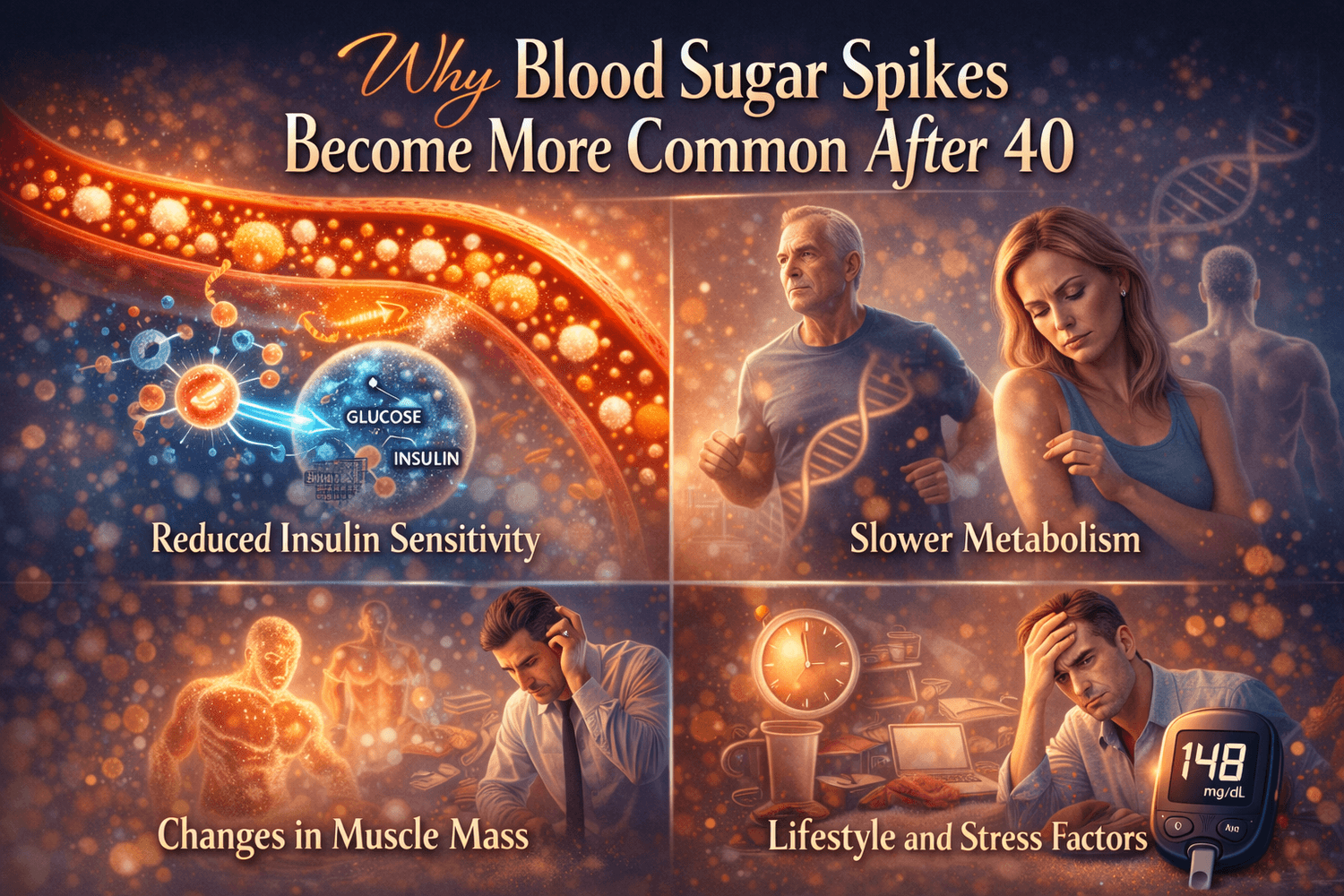
One of the biggest reasons people experience by Dr Harry Hill
Why Blood Sugar Spikes Become More Common After 40
One of the biggest reasons people experience changes in glucose regulation after 40 is age-related metabolic shifts. As the body ages, several biological processes naturally slow down.
1. Reduced Insulin Sensitivity
Insulin sensitivity refers to how effectively cells respond to insulin. Over time, cells may become less responsive, making it harder for glucose to enter the cells efficiently.
When this happens, glucose remains in the bloodstream longer, increasing the likelihood of spikes.
2. Slower Metabolism
Metabolic rate tends to decline gradually with age. This means the body burns calories and processes nutrients more slowly than it did in younger years.
Slower metabolism can contribute to higher glucose levels after meals.
3. Changes in Muscle Mass
Muscle tissue plays a significant role in glucose metabolism. As people age, they naturally lose muscle mass unless they actively maintain it through physical activity.
Less muscle mass means the body has fewer places to store and use glucose efficiently.
4. Lifestyle and Stress Factors
Modern lifestyles also contribute to metabolic challenges. High stress levels, irregular sleep patterns, and sedentary habits can affect how the body regulates glucose.
These factors combined often explain why many individuals begin to notice changes in blood sugar stability during midlife.
The Warning Signs Many People Overlook
One challenge with blood sugar imbalance is that the early signs are often subtle. Many individuals dismiss them as normal fatigue or simply getting older.
However, recognizing these signs early can make a significant difference.
Common indicators include:
Feeling sleepy or sluggish after eating
Frequent hunger even after meals
Difficulty losing weight despite healthy eating
Increased thirst or dry mouth
Mood fluctuations throughout the day
If these symptoms appear regularly, it may be helpful to evaluate diet, activity levels, and metabolic health.

Lifestyle Changes That Support Healthy Blood Sugar
Before turning to specialized solutions, experts consistently emphasize the importance of foundational lifestyle habits.
Several simple adjustments can significantly influence how the body manages glucose.
Balanced Nutrition
A balanced diet plays a central role in metabolic health. Many nutritionists recommend focusing on whole foods that provide fiber, protein, and healthy fats.
These nutrients help slow glucose absorption and prevent rapid spikes.
Examples include:
Leafy greens and vegetables
Nuts and seeds
Whole grains
Lean proteins
Healthy fats such as olive oil or avocado
Regular Physical Activity
Movement helps muscles use glucose for energy, which can reduce excess sugar circulating in the bloodstream.
Activities such as walking, resistance training, cycling, or yoga can all support metabolic balance.
Even a 20-minute walk after meals may help the body process glucose more efficiently.
Sleep Quality
Sleep has a profound impact on metabolic health. Poor sleep can disrupt hormones that regulate appetite and glucose levels.
Maintaining a consistent sleep schedule and aiming for 7–8 hours of quality rest each night can support overall metabolic function.
Stress Management
Chronic stress triggers the release of cortisol, a hormone that can raise blood sugar levels.
Practices like meditation, breathing exercises, or mindfulness may help regulate stress and support metabolic stability.

Natural Compounds That Are Gaining Attention in 2026
Alongside lifestyle changes, researchers are exploring natural compounds that may support the body’s glucose metabolism.
Several plant-based ingredients have been studied for their potential metabolic benefits.
Cinnamon Extract
Cinnamon has long been used in traditional wellness practices. Some research suggests it may help support insulin sensitivity and glucose metabolism when used as part of a balanced diet.
Bitter Melon
Berberine is a natural compound found in certain plants. It has been studied for its potential role in supporting metabolic processes related to glucose regulation.
Berberine
Berberine is a natural compound found in certain plants. It has been studied for its potential role in supporting metabolic processes related to glucose regulation.
Alpha-Lipoic Acid
Alpha-lipoic acid is an antioxidant involved in energy metabolism. It may support cellular health and metabolic balance.
These ingredients are often discussed in wellness circles because of their potential role in supporting the body’s natural metabolic functions.
Why Many People Are Exploring Nutritional Formulas
While individual ingredients can offer benefits, many people prefer comprehensive solutions that combine multiple metabolic support nutrients.
This approach focuses on synergy—the idea that carefully selected ingredients may work better together than individually.
Modern nutritional formulas are often designed to support:
Healthy glucose metabolism
Insulin response
Cellular energy production
Antioxidant protection
Rather than acting as quick fixes, these formulas are typically intended to complement healthy lifestyle habits.
A Growing Trend in Natural Metabolic Support
In recent years, interest in plant-based metabolic support has grown significantly. Online health communities frequently discuss certain formulations designed to help the body maintain balanced glucose levels.
These solutions generally focus on supporting the body’s natural regulation processes, rather than forcing rapid or extreme changes.
Many people exploring these options report that combining lifestyle improvements with targeted nutritional support helps them feel more energetic and balanced throughout the day.
However, it’s important to remember that nutritional supplements are not substitutes for medical care, and individuals with health concerns should consult qualified professionals before making significant changes.
The Importance of Long-Term Metabolic Health
Managing blood sugar isn’t only about avoiding energy crashes. Long-term metabolic balance supports overall wellness and vitality.
Healthy glucose regulation plays a role in:
Sustained energy levels
Brain function and mental clarity
Weight management
Cardiovascular health
Healthy aging
Because of this, experts increasingly emphasize proactive metabolic support rather than waiting for serious issues to develop.
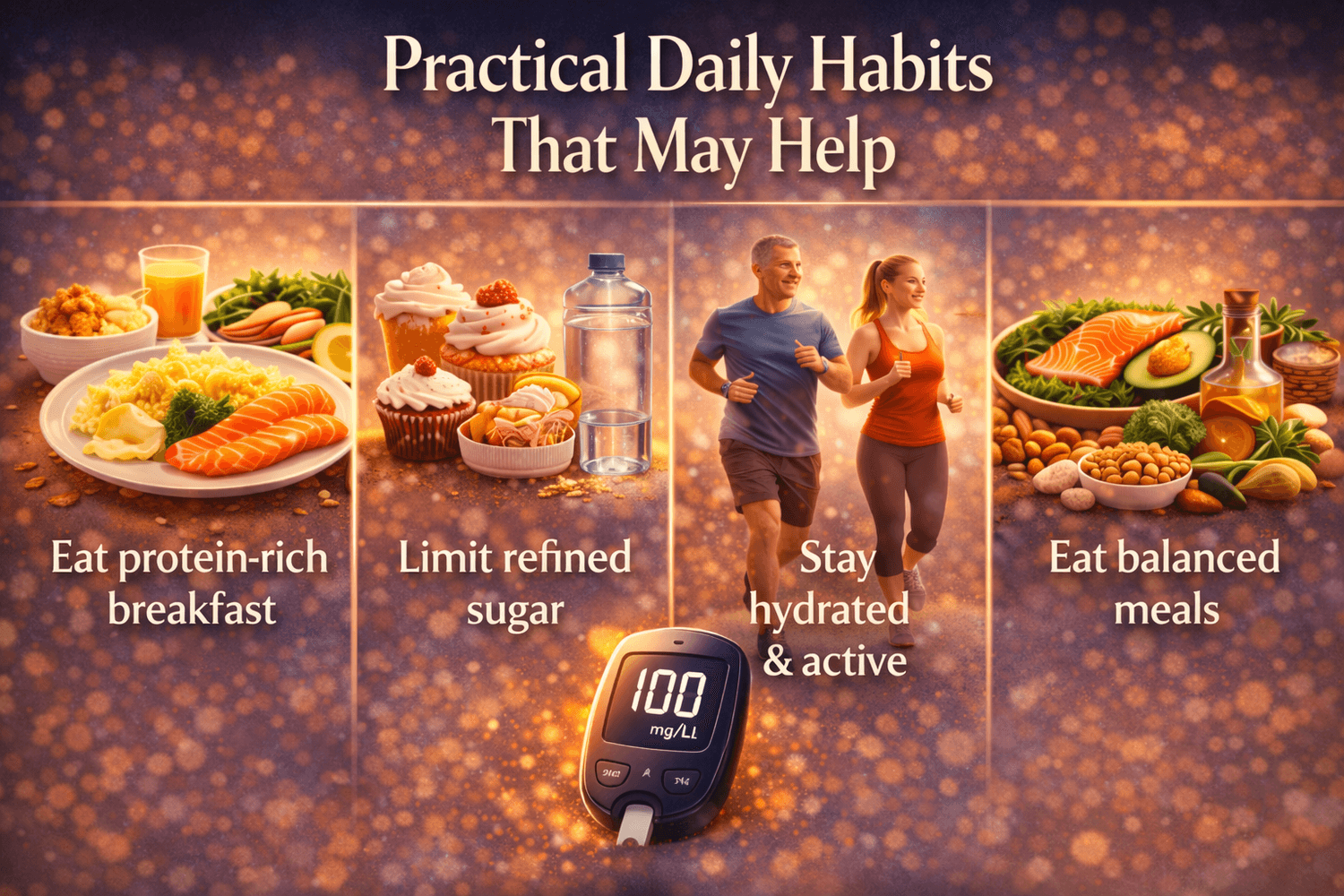
Practical Daily Habits That May Help
For individuals looking to maintain stable blood sugar levels after 40, several practical habits can make a difference.
Start the day with a protein-rich breakfast
Protein helps slow digestion and prevent early glucose spikes.
Avoid excessive refined sugar
Highly processed foods can cause rapid increases in blood sugar.
Stay hydrated
Proper hydration supports metabolic and cellular functions.
Move regularly throughout the day
Even light movement helps muscles utilize glucose.
Support metabolic health with balanced nutrition
Whole foods and nutrient-dense ingredients provide the foundation for stable energy.
Over time, these habits can contribute to more consistent energy levels and improved metabolic resilience.
Final Thoughts
Blood sugar fluctuations after 40 are more common than many people realize. Changes in metabolism, insulin sensitivity, muscle mass, and lifestyle factors can all influence how the body processes glucose.
The good news is that there are many strategies individuals can explore to support healthier metabolic balance.
Lifestyle improvements—such as balanced nutrition, regular movement, quality sleep, and stress management—remain the cornerstone of metabolic health. In addition, growing interest in natural plant-based nutrients has opened new discussions about supportive nutritional approaches.
As research continues in 2026 and beyond, the focus is shifting toward supporting the body’s natural metabolic systems rather than relying solely on restrictive approaches.
For many people, a combination of healthy habits and thoughtful nutritional support may offer a practical path toward maintaining stable energy, balanced glucose levels, and overall well-being as they age.
SHARE


© Copyright 2026 - All Rights Reserved
Privacy | Terms and Conditions | Disclaimer
This site is not a part of the Facebook website or Facebook Inc. Additionally, This site is NOT endorsed by Facebook in any way. FACEBOOK is a trademark of FACEBOOK, Inc.
FDA Compliance
The information on this website has not been evaluated by the Food & Drug Administration or any other medical regulatory body. We do not aim to diagnose, treat, cure, or prevent any illness or medical condition. Information shared here is for educational purposes only. You must consult your physician or other qualified healthcare professional before acting on any information on this website, especially if you are pregnant, nursing, taking medication, or have a medical condition. Results May Vary: Individual results and testimonials featured on this site are not a guarantee of specific outcomes. Results may vary based on individual factors including age, genetics, diet, lifestyle, medical history, and adherence to any program or routine discussed. Privacy Protection: Some names and personal identifying details featured in stories and testimonials have been changed to protect individual privacy and confidentiality. No individual result should be considered typical or guaranteed. Always seek professional medical advice for health concerns.
Some names and personal identifying details have been changed to protect privacy.
No individual result should be considered typical.
Enjoy & Thank you!